
Back to Blog
Detecting Insulin Resistance Early: Early Warning Signs and Markers
Insulin resistance often develops unnoticed over many years without obvious symptoms. However, detecting changes in metabolic health at an early stage is important to reduce the risk of type 2 diabetes and cardiovascular disease and to prevent serious complications. Which early warning signs and markers should be checked regularly?
gue · 2 min read

biology dna content
What is insulin resistance?
The carbohydrates and sugars we consume are converted into glucose in the body, which is used by cells to produce energy. Insulin is a hormone that helps transport glucose from the bloodstream into the cells.
With insulin resistance, the body's cells become less sensitive to insulin. The pancreas initially compensates by producing more insulin to help move glucose from the bloodstream into the body's cells. As a result, blood glucose levels can remain within the normal range for a considerable period of time. This is precisely what makes insulin resistance so difficult to detect.
As insulin resistance increases, the pancreas may eventually no longer be able to fully compensate for the increased demand for insulin. Blood glucose levels then begin to rise. This can initially lead to prediabetes and, over time, potentially to type 2 diabetes.
Which markers help with the early detection of insulin resistance?
Changes in metabolic health can be assessed very effectively using seven basic markers:
- Fasting blood glucose: below 100 mg/dL
- Fasting triglycerides: below 150 mg/dL
- HDL cholesterol: above 40 mg/dL for men and above 50 mg/dL for women
- Hemoglobin A1c (HbA1c): below 5.7%
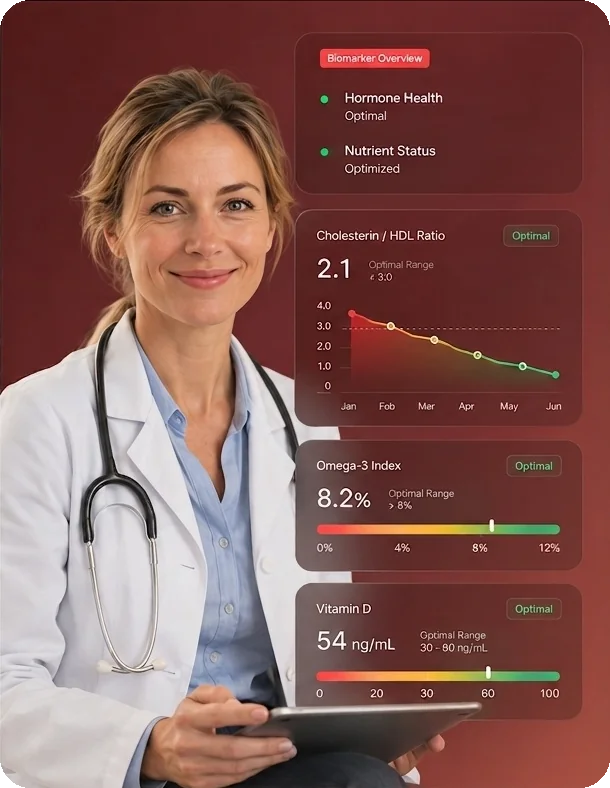
- Total cholesterol-to-HDL ratio: below 3.5, ideally below 1
- Waist circumference: below 102 cm (men) and below 89 cm (women)
- Blood pressure: no higher than 120/80 mmHg (without taking blood pressure medication)
It is important to assess all of these markers together and in context. The individual factors can influence and reinforce one another. Therefore, you should not wait until typical symptoms appear before paying attention to your metabolic health.
The data can reveal a great deal about what is happening inside the body's cells:
- Am I generally consuming too much sugar and/or too many carbohydrates?
- How effectively is glucose being transported into my body's cells? Is my blood glucose increasing because access to the body's cells is becoming increasingly impaired?
- Is my hemoglobin becoming excessively “sugar-coated” because there is too much glucose in my bloodstream over the long term?
- Have I already had elevated blood pressure for some time? When cells no longer respond properly to insulin, does a chain reaction ultimately contribute to increased blood pressure?
- How efficiently is energy being produced overall—particularly ATP production in the mitochondria, the “powerhouses” of our cells?
Metabolic health is at the heart of overall health.
The causes of insulin resistance and, ultimately, metabolic syndrome are often linked to an unhealthy lifestyle in modern Western societies: physical inactivity, chronic stress, and a calorie-dense—and especially sugar-rich—diet. Genetic predisposition also plays a role.
The good news, however, is that consistent lifestyle changes can lead to significant improvements relatively quickly.
If you suspect that you may have insulin resistance, discuss your individual risk factors and appropriate tests with your doctor or healthcare professional. A single laboratory value should never be interpreted in isolation.
Gallery
biology dna content
Sources
- Huberman Lab. Transform Your Health by Improving Metabolism, Hormone & Blood Sugar Regulation — Guest Episode Huberman Podcast (2024)
- Sutton E et al. Early Time-Restricted Feeding Improves Insulin Sensitivity, Blood Pressure, and Oxidative Stress Even without Weight Loss in Men with Prediabetes — Cell Metabolism (2018) · DOI: 1212-1221.e3