
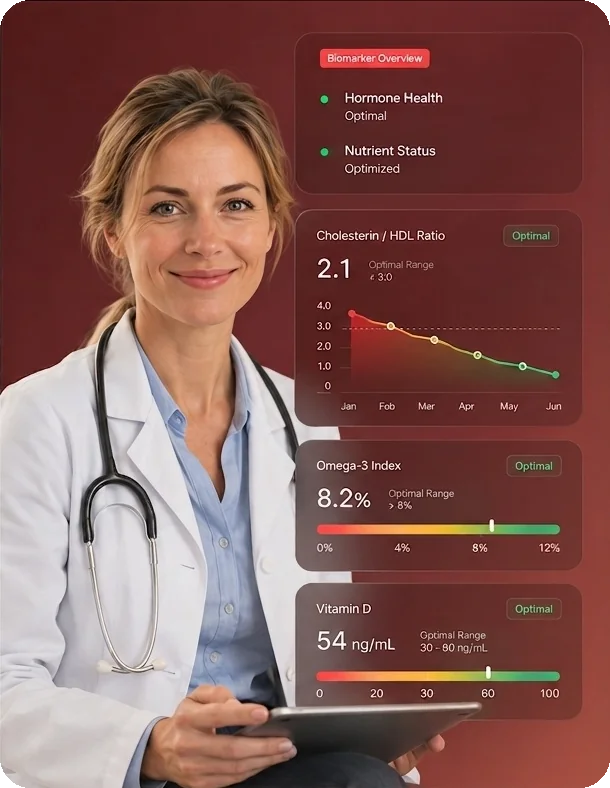
Optionally selectable as extra tests at every lab visit
All available Blood Test Panels
Address key areas and risks in your body
This test requires a Core Health Blood Test subscription
Optional Packages
Configure each lab visit with your selection of add-ons
One-Time Purchase
Selected packages are paid at each lab visit as a one-time purchase
Selection in Context
Let your previous results decide which add-ons make sense for your next round
ADVANCED VITAMINS & TRACE ELEMENTS
HORMONE & FERTILITY (FEMALE)
OVARIAN RESERVE (FEMALE)
ENERGY, LIBIDO & HORMONAL BALANCE (MALE)
PROSTATE CANCER PREVENTION & EARLY AWARENESS (MALE)
THYROID HEALTH
OMEGA-3 INDEX & FATTY ACID PROFILE
ATHEROSCLEROSIS PREVENTION
BONES HEALTH

€ 419,- · add-on
ADVANCED VITAMINS & TRACE ELEMENTS
Advanced nutrient profiling: covering key vitamins and trace minerals beyond the essentials for deeper insights into your nutritional health.
BIOMARKERS
Vitamin B1
Key to turning carbohydrates into energy and keeping nerves working well. B1 is depleted by alcohol and refined-carb-heavy diets — and is one of the underrated micronutrients in long-term cognitive resilience.
Vitamin B2
Helps cells produce energy and recycle key antioxidants. Low B2 can show up as persistent tiredness and a slower ability to recover from physical effort.
Vitamin B6
Involved in producing mood-regulating brain chemicals like serotonin and dopamine, plus supporting the immune system and protein metabolism. Low B6 has been linked to low mood, irritability, and reduced wellbeing.
Biotin (Vitamin B7)
Supports fat and carbohydrate metabolism and contributes to healthy hair, skin, and nails. Biotin deficiency is uncommon but can occur with certain diets or medications.
Folate (Vitamin B9)
Essential for cell division, DNA repair, and healthy homocysteine levels — all of which matter more, not less, as we age. Particularly important during pregnancy and for anyone supporting cardiovascular and cognitive health long-term.
Vitamin K1
The form of vitamin K found in leafy greens, supporting healthy blood clotting. Low K1 can be associated with slower wound healing.
Vitamin K2
Works differently from K1 — its main role is directing calcium toward bones and away from blood vessels and soft tissue. Low K2 has been linked to reduced bone density and may play a role in keeping arteries supple over the long term.
Beta-Carotene (Provitamin A)
A plant pigment the body converts into vitamin A as needed. Also an antioxidant supporting immune function, skin, and eye health. Levels mostly reflect how much colourful produce is in your diet.
Retinol (Vitamin A)
The active form of vitamin A, essential for night vision, immune defence, and skin renewal. Both too little and too much have consequences — making measurement smarter than blind supplementation.
Vitamin E
A fat-soluble antioxidant that protects cell membranes from oxidative damage. Works in concert with vitamin C and selenium — and low levels are linked to greater susceptibility to oxidative stress, one of the underlying drivers of cellular ageing.
Ascorbic Acid (Vitamin C)
Well known for immune support, vitamin C is also essential for collagen production, wound healing, and plant-iron absorption. Low levels are more common than most people expect, especially with diets light on fresh produce.
Zinc
Involved in hundreds of processes — immune defence, wound healing, hormone production, even taste and smell. Zinc tends to run low in plant-heavy diets and during periods of high physical or psychological stress.
Copper
Supports iron metabolism, connective tissue, and antioxidant defence. Copper and zinc need to stay in balance — too much of one can lower the other, which is worth knowing if you supplement either.
Selenium
An essential trace mineral that supports thyroid hormone conversion, antioxidant defence, and immune function. Soil selenium varies widely by region — people in selenium-poor areas can run low without realising it.

€ 149,- · add-on
HORMONE & FERTILITY (FEMALE)
Designed to uncover hormonal imbalances linked to cycle irregularities, fertility concerns, and menopausal symptoms.
BIOMARKERS
Estradiol (E2)
The main active form of oestrogen, produced primarily by the ovaries. It plays a central role in the cycle, but also in bone strength, mood, skin, cognition, and cardiovascular health — which is why the natural decline through perimenopause and menopause touches so many systems at once.
Testosterone
Present in women in smaller amounts, testosterone contributes to energy, libido, muscle tone, and motivation. When levels drop, it can show up as reduced drive, changes in body composition, or an unexplained dip in energy.
Luteinizing Hormone (LH)
A pituitary hormone that triggers ovulation and supports progesterone production. LH across the cycle gives a useful read on ovulatory health and cycle regularity.
Follicle-Stimulating Hormone (FSH)
Signals the ovaries to develop follicles and produce oestrogen. FSH is particularly informative when assessing cycle changes, fertility, or the early stages of perimenopause.
Progesterone (P4)
Produced after ovulation, progesterone prepares the body for a possible pregnancy and helps regulate the second half of the cycle. Low progesterone has been linked to irregular cycles, spotting, and disrupted sleep in the luteal phase.
Prolactin
Best known for supporting breastfeeding, prolactin can also rise at other times. Persistently high levels outside pregnancy or breastfeeding can be linked to cycle irregularity, mood shifts, or low energy.
Bioavailable Testosterone
The portion of testosterone actually free to act in the body — a more precise measure than total testosterone, since much of it is bound and unavailable.
SHBG
A protein that binds sex hormones and controls how much is freely available. High SHBG can mute the effect of oestrogen and testosterone; low SHBG can amplify them — both worth knowing when making sense of hormonal patterns.
DHEA-S
An adrenal hormone that acts as a building block for both testosterone and oestrogen, and declines naturally with age. Low DHEA-S has been associated with fatigue, low libido, and reduced stress resilience — and is one of the markers often tracked in healthy-ageing protocols.
Testosterone/E2 ratio
The balance between testosterone and oestradiol. This ratio can explain symptoms when individual hormone levels look normal — sometimes the balance matters more than either number alone.

€ 49,- · add-on
OVARIAN RESERVE (FEMALE)
Provides a detailed assessment of ovarian egg reserve, reflecting the remaining number of eggs and offering insight into ovarian function and reproductive potential over time.
BIOMARKERS
Anti-Müllerian Hormone (AMH)
Produced by ovarian follicles, AMH reflects the size of the remaining egg pool. The most reliable single marker of ovarian reserve, measurable at any point in the cycle — useful for anyone thinking about future fertility or wanting a clearer view of where they stand on their reproductive timeline.

€ 149,- · add-on
ENERGY, LIBIDO & HORMONAL BALANCE (MALE)
A comprehensive view of the hormonal drivers of male sexual health, energy, and long-term vitality.
BIOMARKERS
Estradiol (E2)
Men produce small amounts of oestradiol from testosterone — and at the right level it supports bone density, libido, mood, and cardiovascular health. Imbalance in either direction can affect how you feel and function.
Testosterone
The primary male sex hormone, central to muscle mass, energy, libido, mood, and metabolic health. Testosterone declines gradually from the mid-30s — and tracking it over time is one of the most informative things men can do to understand subtle shifts in how they feel and perform with age.
Luteinizing Hormone (LH)
A pituitary hormone signalling the testes to produce testosterone. Reading LH and testosterone together helps clarify whether a change is coming from the testes themselves or from upstream signalling.
Follicle-Stimulating Hormone (FSH)
In men, FSH supports sperm production. Alongside testosterone, it helps map out what's happening in the reproductive system — particularly relevant in the context of fertility.
Progesterone (P4)
A precursor hormone contributing to testosterone and other steroid hormones. It plays a supporting role in hormonal balance, nervous-system health, and immune function.
Prolactin
Normally present in low amounts in men. When elevated, prolactin can suppress testosterone production and has been linked to changes in libido, energy, and mood — worth investigating when testosterone is low without an obvious reason.
Bioavailable Testosterone
The fraction of testosterone genuinely free to act in the body. Total testosterone can look adequate while bioavailable testosterone is low — making this a more precise read on what the body is actually working with.
SHBG
A protein that binds testosterone and controls how much is biologically active. SHBG tends to rise with age, which can quietly reduce free testosterone even when total testosterone looks fine — one reason men can feel the shift before standard testing catches it.
DHEA-S
An adrenal hormone contributing to testosterone production, declining steadily with age. Low DHEA-S has been associated with low energy, slower recovery, and reduced stress resilience — an often-overlooked aspect of healthy ageing in men.
Testosterone/E2 ratio
The balance between testosterone and oestradiol. In men, this ratio can matter as much as the individual numbers — imbalance in either direction can affect energy, body composition, and mood.

€ 19,- · add-on
PROSTATE CANCER PREVENTION & EARLY AWARENESS (MALE)
A simple blood-based insight into prostate health, supporting early awareness of prostate cancer risk as part of preventive care.
BIOMARKERS
Prostate-specific antigen (PSA)
A protein produced exclusively by the prostate. PSA naturally rises with age, and a single number tells only part of the story — trends over time and age-adjusted ranges are far more informative. One of the most valuable tools we have for keeping an eye on prostate health and catching changes early, while options are still simple.
€ 79,- · add-on
THYROID HEALTH
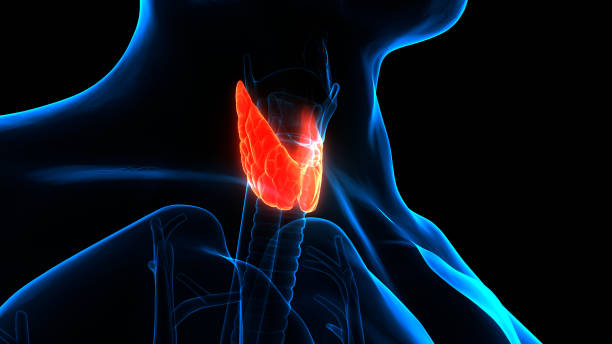
Complete thyroid assessment for metabolism, energy, and reproductive health in both women and men.
BIOMARKERS
Thyroid-Stimulating Hormone (TSH)
The pituitary's signal telling the thyroid to produce more or less hormone. TSH is the most sensitive early indicator of thyroid function, often shifting before T3 or T4 noticeably move.
free T3
The active form of thyroid hormone, directly influencing metabolism, body temperature, heart rate, and mental sharpness. Free T3 can sit below optimal even when other thyroid markers look normal — which is why measuring it gives a fuller picture.
free T4
The main thyroid hormone, converted into active T3 throughout the body. Free T4 shows how much the thyroid itself is producing — an important piece alongside TSH and T3.
Calcitonin
A hormone produced by specific thyroid cells. Including it in a routine thyroid check adds an extra layer of awareness — elevated values can prompt further investigation in a context where early detection makes a meaningful difference.

€ 99,- · add-on
OMEGA-3 INDEX & FATTY ACID PROFILE
Optimizing essential fatty acids to support brain function, cognitive performance, and healthy inflammatory balance for long-term wellness.
BIOMARKERS
Total Omega-3 Fatty Acids
The total omega-3 content in your blood — the anti-inflammatory fats found in oily fish, flaxseed, and walnuts. Most people sit well below optimal, and a higher omega-3 index is one of the most consistently studied markers linked to cardiovascular, cognitive, and inflammatory health across the lifespan. An index above 8% is widely considered protective.
Total Omega-6 Fatty Acids
Omega-6 fats are abundant in vegetable oils and processed foods. Needed in small amounts, but consistently high levels relative to omega-3 nudge the body toward a more pro-inflammatory state — a pattern common in Western diets and increasingly tied to long-term inflammatory load.
Monounsaturated Fatty Acids (MUFA)
Monounsaturated fats — the kind found in olive oil, avocados, and nuts. Associated with heart-friendly cholesterol profiles and better blood sugar regulation, they're a cornerstone of why Mediterranean-style eating is so well-regarded for long-term health.
Saturated Fatty Acids (SFA)
Saturated fats, found mainly in animal products and tropical oils. The balance between saturated and unsaturated fats in your diet shapes cholesterol levels and cardiovascular health over time.
Polyunsaturated Fatty Acids (PUFA)
The family of polyunsaturated fats that includes both omega-3 and omega-6. The body can't make them — they're essential — and they play key roles in cell membrane health, inflammation regulation, and hormone production.
Omega-6/Omega-3 Ratio
One of the most meaningful single numbers in the fatty acid profile. A well-balanced diet keeps this ratio near 4:1, but most people in Western countries sit closer to 15–20:1 — a pattern linked to chronic low-grade inflammation, one of the underlying threads tying together many age-related conditions.
SFA/MUFA Ratio
The balance between saturated and heart-healthy monounsaturated fats in your blood. A lower ratio generally reflects a more favourable fatty acid profile.
AA/DGLA Ratio
Compares two types of omega-6 fatty acids — one more pro-inflammatory, one less so. When this ratio is high, it suggests the body's fatty acid balance is leaning pro-inflammatory at the cellular level.
AA/EPA Ratio
Compares a pro-inflammatory omega-6 with a key anti-inflammatory omega-3. A sensitive read on whether your omega-3 intake is enough to counter the omega-6 load coming in from your diet.

€ 149,- · add-on
ATHEROSCLEROSIS PREVENTION
Integrated assessment of lipid, glucose, and metabolic health, with markers for insulin sensitivity, oxidative stress, and cardiovascular risk.
BIOMARKERS
Lp(a)
A cholesterol-like particle largely set by genetics rather than lifestyle. Unlike LDL, it barely responds to diet or standard medications — which is why a one-time measurement matters. Many people carry elevated Lp(a) without knowing, and current cardiovascular guidelines now recommend everyone check it at least once in their lifetime.
Insulin
Measures insulin production while fasting, independent of blood sugar. Elevated fasting insulin is often one of the earliest signs the body is working harder to manage glucose — a signal that can appear years before blood sugar itself rises, and one of the most actionable early levers for long-term metabolic health.
QUICKI
A calculated measure of insulin sensitivity. The lower this score, the harder the body is working to regulate blood sugar — a practical early-awareness tool for metabolic resilience.
Homocysteine
An amino acid produced during protein metabolism. Elevated homocysteine reflects B-vitamin status — especially B12, folate, and B6 — and has been linked to long-term cardiovascular and cognitive health. A quietly important marker that's easy to optimise once spotted.
Coenzyme Q10
A natural compound your cells use to produce energy, and an antioxidant in its own right. Levels decline with age and can drop further on statins. Low CoQ10 has been linked to fatigue and muscle discomfort.
Atherogenic Index of Plasma (AIP)
A composite marker calculated from triglycerides and HDL that gives insight into the type of LDL particles present. Smaller, denser LDL particles are considered more concerning for arterial health — AIP captures this nuance better than standard cholesterol numbers alone.
Triglycerides-Glucose Index
Calculated from triglycerides and fasting glucose, this index reflects how well the body is handling fat and sugar metabolism together. A practical combined signal for metabolic health and long-term cardiovascular trajectory.

€ 129,- · add-on
BONES HEALTH
Evaluation of bone metabolism through markers of bone formation and resorption, providing insights into bone strength, turnover, and overall skeletal health.
BIOMARKERS
Beta-Crosslaps (CTX)
A marker reflecting how actively bones are being broken down. Some turnover is normal and healthy — but consistently elevated CTX can suggest the balance between breakdown and rebuilding has tipped, which becomes more relevant as the decades add up.
Parathyroid Hormone (PTH)
A hormone from the parathyroid glands regulating calcium. When calcium runs low, PTH rises and pulls it from the bones. Persistently elevated PTH is linked to gradual bone loss over time and often points back to low vitamin D — a simple thing to address with big long-term payoff.
Osteocalcin
A protein made by bone-building cells, reflecting how actively new bone is forming. Low osteocalcin can suggest reduced rebuilding activity — and emerging research points to a wider role in metabolism and muscle health, making it more than just a bone marker.